
Vom 24. bis 27. Juli nahm Qidu Metrology an der AMTEX 2026 im India Expo Mart in Greater Noida, Delhi NCR, teil.
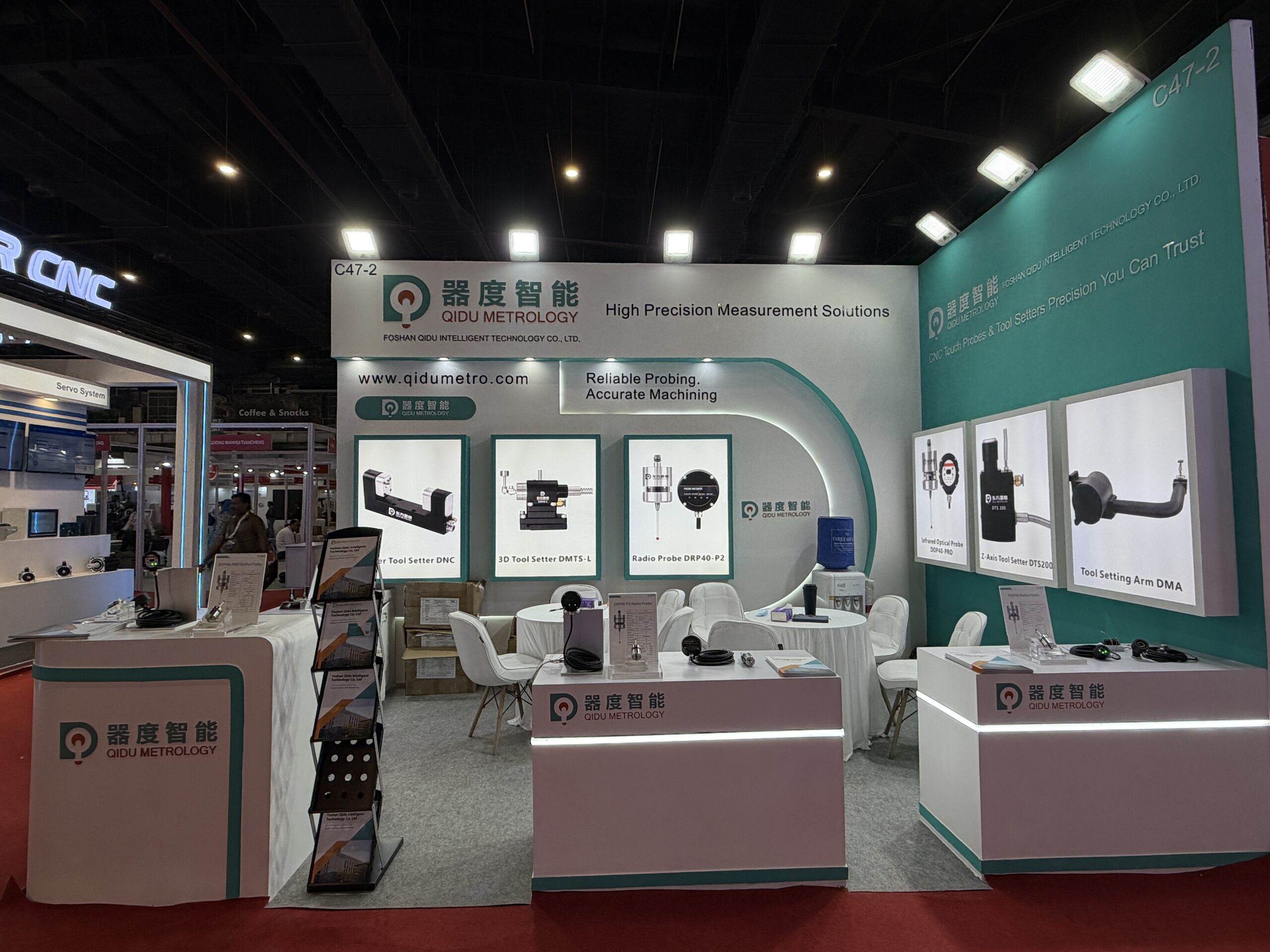
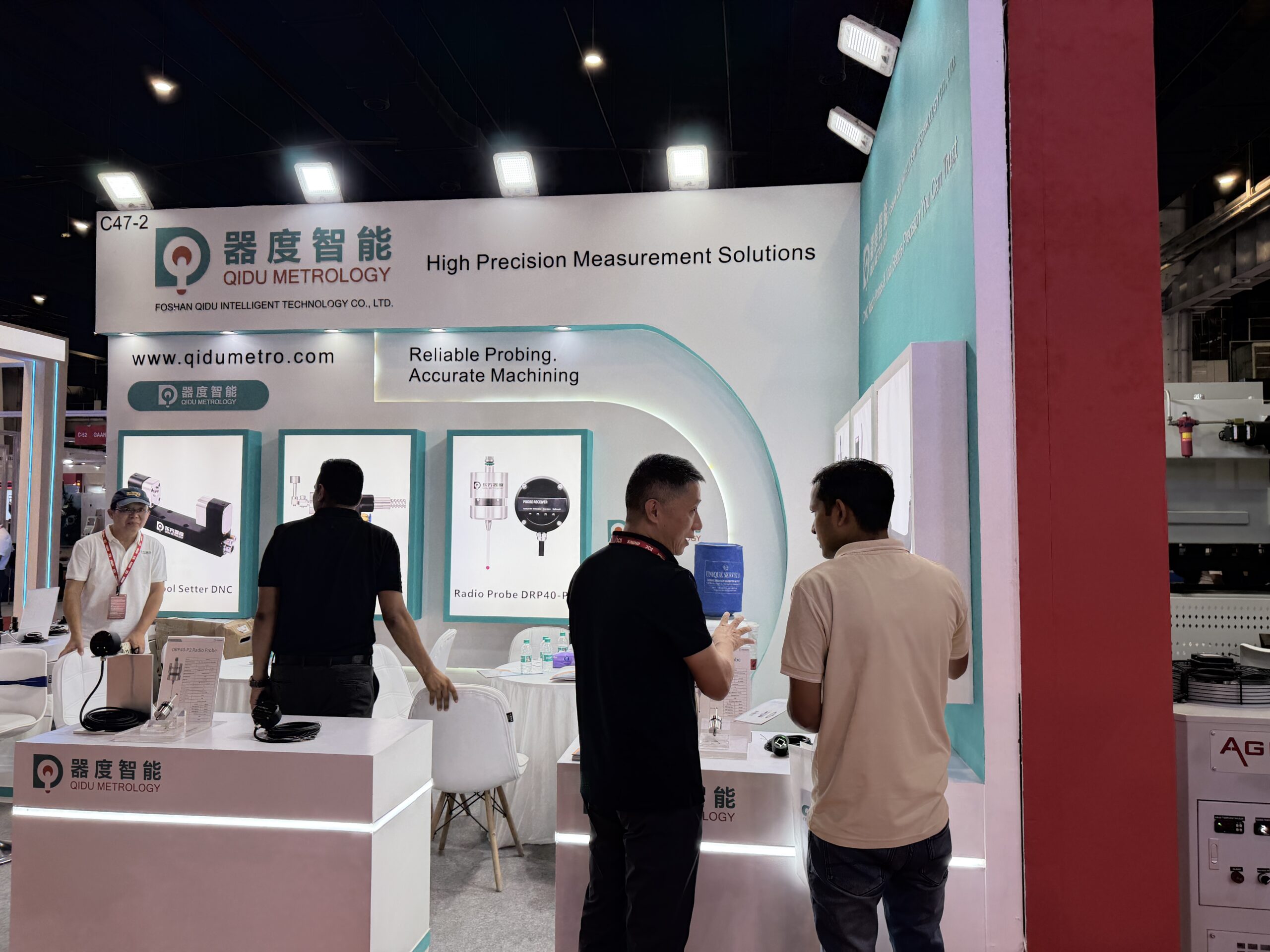
Für unser Team ging es dabei nicht nur darum, ein paar Tage lang neben den Produkten zu stehen und Broschüren zu verteilen. Es war eine Gelegenheit, CNC-Anwender persönlich kennenzulernen, sich ihre konkreten Anliegen bei der Bearbeitung anzuhören und zu verstehen, wie indische Hersteller Messlösungen unter realen Werkstattbedingungen bewerten.
Auf der Messe begannen viele Gespräche nicht mit einer ausführlichen technischen Beschreibung.
Sie begannen mit ganz praktischen Fragen.
“Ist dieser Messtaster mit meinem Bearbeitungszentrum kompatibel?”
“Wie schwierig ist die Installation?”
“Kann das dazu beitragen, die Einrichtungszeit zu verkürzen?”
“Was passiert, wenn das Werkzeug kaputtgeht?”
“Ist das für unsere CNC-Steuerung geeignet?”
Das sind einfache Fragen, aber genau diese Fragen sind entscheidend, bevor sich ein Geschäft dazu entschließt, einen CNC-Tastsystem oder einen Werkzeugvoreinsteller in seinen Prozess integrieren.
Das Wertvollste an AMTEX waren die Gespräche
Von außen betrachtet kann eine Messe sehr geschäftig wirken: Maschinen laufen, Besucher schlendern durch die Gänge, Broschüren wechseln den Besitzer, Kameras machen Fotos an den Ständen.
Für uns lag der wahre Wert jedoch in den ruhigeren Momenten.
Als ein Besucher eine Sonde in die Hand nahm und sich die Griffel. Als ein Ingenieur nach der Wiederholgenauigkeit fragte und dann schnell auf die Details der Installation zu sprechen kam. Als ein Produktionsleiter wissen wollte, ob die Werkstückabtastung Fehler beim Erstteil reduzieren könnte. Als jemand die Werkstückabtastung mit der Werkzeugeinstellung verglich und fragte, was zuerst erfolgen sollte.
Diese Gespräche haben uns an einen wichtigen Punkt erinnert:
Kunden suchen nicht nur nach einem Produkt. Sie suchen nach Vertrauen, bevor sie ihren Bearbeitungsprozess umstellen.
Dieses Vertrauen kann nicht allein durch eine Katalognummer entstehen. Es entsteht durch das Verständnis der Maschine, der Steuerung, der Vorrichtung, des Werkstücks und der alltäglichen Probleme in der Fertigung.
Was wir auf der AMTEX 2026 präsentiert haben
Bei AMTEX, Qidu Metrologie mit Schwerpunkt auf CNC-Messgeräten, die in Bearbeitungszentren und in der Präzisionsfertigung zum Einsatz kommen.
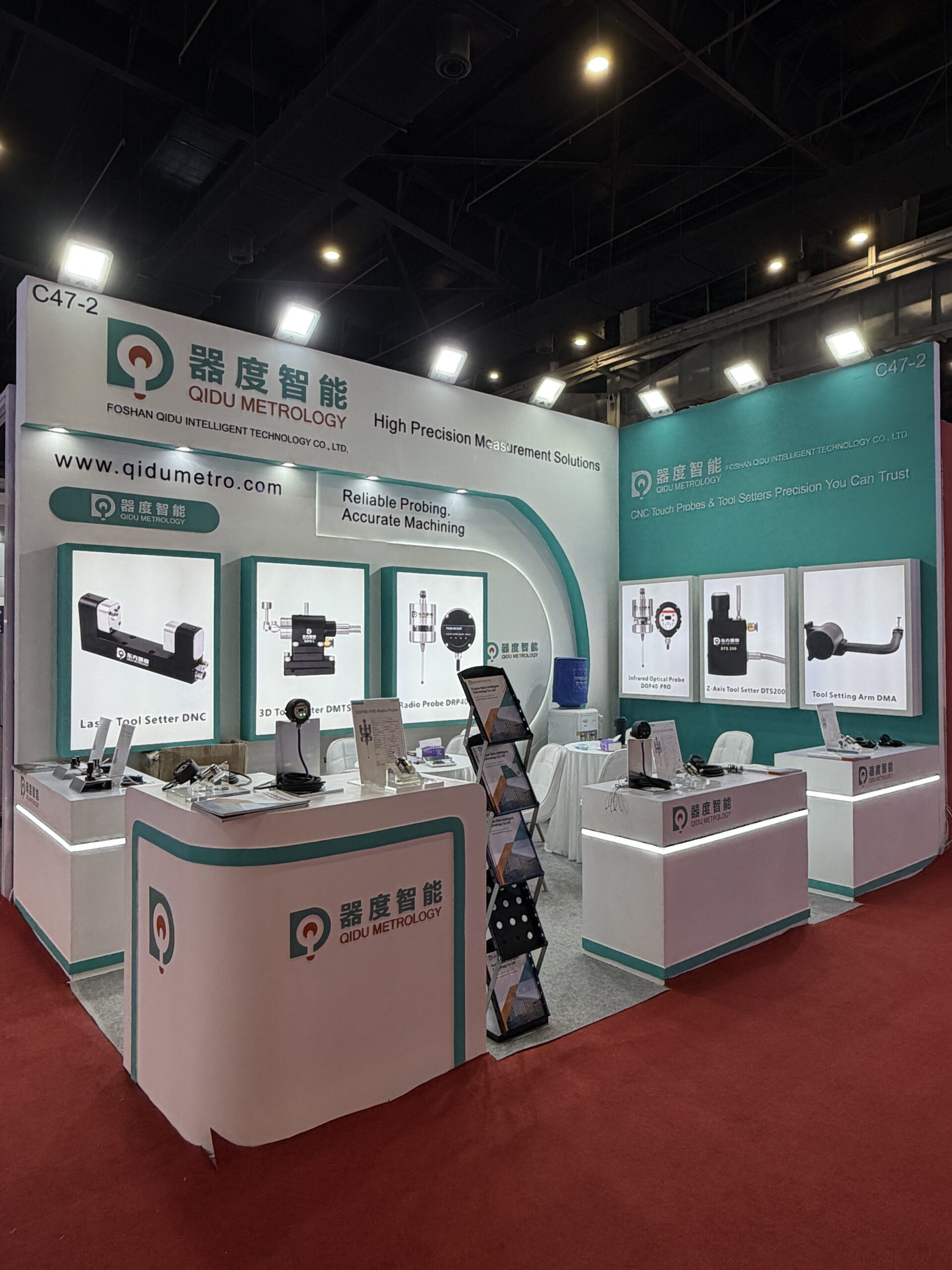
Unser Ausstellungsangebot umfasste CNC-Messtaster, Funk-Messtaster, Werkzeugmessgeräte, Messarme sowie entsprechendes Zubehör für die Messtechnik.
Jedes Produkt hat eine andere Funktion.
Ein CNC-Messtaster unterstützt die Maschine bei der Lokalisierung und Vermessung des Werkstücks. Er kann zur Werkstückreferenzierung, zur Kantenortung, zur Bohrungszentrierung, zur Winkelkorrektur sowie für ausgewählte Prüfungen während des Fertigungsprozesses eingesetzt werden.
Ein Werkzeugmessgerät unterstützt die Maschine beim Messen und Überwachen von Schneidwerkzeugen. Es kann zur Einstellung der Werkzeuglänge, zur Überprüfung des Werkzeugdurchmessers, zur Überwachung des Werkzeugverschleißes und zur Erkennung von Werkzeugbrüchen eingesetzt werden.
Dieser Unterschied ist wichtig.
Ein Messtaster gibt die Antwort auf die Frage:
Wo befindet sich das Werkstück?
Ein Werkzeugvoreinsteller beantwortet die Frage:
Wo befindet sich das Schneidwerkzeug, und ist es noch einsatzfähig?
Viele Probleme bei der spanenden Bearbeitung entstehen, weil eine dieser beiden Antworten falsch ist.
Das Werkstück könnte leicht verschoben sein. Der Bezugspunkt könnte falsch eingegeben worden sein. Das Werkzeug könnte abgenutzt sein. Ein kleiner Bohrer könnte gebrochen sein. Ein ausgetauschtes Werkzeug hat möglicherweise nicht die erwartete Länge.
Werden diese Probleme nicht frühzeitig erkannt, kann die Maschine zwar weiterhin zuverlässig schneiden – allerdings unter falschen Betriebsbedingungen.
Was den Besuchern am wichtigsten war
Die Besucher, die wir trafen, waren pragmatisch.
Sie fragten nicht nur: “Wie genau ist das?”
Sie wollten wissen, wie sich das Produkt nach der Installation verhält.
Bei den CNC-Tastsystemen drehten sich viele Gespräche um die Werkstückaufspannung und die Koordinatenkorrektur. Die Besucher wollten wissen, wie ein Tastsystem das manuelle Auffinden von Kanten vereinfachen, bei der Einstellung von Werkstückversätzen helfen, die Werkstückposition überprüfen und die Wiederholgenauigkeit zwischen den Bedienern verbessern kann.
Bei Funk-Messtastern war die Signalstabilität ein naheliegendes Thema. An realen Maschinen können Vorrichtungen, Drehtische, große Werkstücke oder Maschinenabdeckungen die Kommunikation beeinträchtigen. Die Kunden wollten wissen, ob ein Funk-Messtaster flexiblere Messpositionen ermöglicht.
Bei den Werkzeugeinstellern drehten sich die Fragen häufig um die Werkzeuglänge, die Erkennung von Werkzeugbruch und die unbeaufsichtigte Bearbeitung. Viele Anwender wissen, dass ein gebrochenes Werkzeug mehrere Werkstückmerkmale beschädigen kann, bevor es jemand bemerkt. Ein Werkzeugeinsteller sorgt dafür, dass die Maschine vor der Fortsetzung des nächsten Arbeitsgangs eine weitere Überprüfung durchläuft.
Das sind keine Marketingthemen. Es handelt sich um alltägliche Produktionsprobleme.
Warum Indiens CNC-Markt für uns wichtig ist
Die indische Fertigungsindustrie ist dynamisch, praxisorientiert und preisbewusst, legt aber zunehmend auch Wert auf Prozessstabilität.
Viele Unternehmen kaufen nicht nur neue Maschinen. Sie fragen sich auch, wie sie ihre bestehenden CNC-Maschinen zuverlässiger und effizienter machen können.
Genau hier kommen Prüfverfahren zum Tragen.
Ein CNC-Messtaster ersetzt keinen erfahrenen Bediener. Ein Werkzeugeinrichter ersetzt keine Prozesskenntnisse.
Aber sie tragen dazu bei, die Anzahl der Dinge zu verringern, die ausschließlich von einer manuellen Beurteilung abhängen.
Wenn eine Maschine die Werkstückposition automatisch bestätigen kann, ist das Risiko von Bezugspunktfehlern geringer.
Wenn eine Maschine die Werkzeuglänge überprüfen oder ein gebrochenes Werkzeug erkennen kann, ist das Risiko geringer, dass ein fehlerhafter Zyklus fortgesetzt wird.
Bei der Bearbeitung mit großer Produktvielfalt, im Formenbau, bei Automobilkomponenten, Präzisionsteilen und in der allgemeinen Auftragsfertigung kann diese Art der Prüfung einen entscheidenden Unterschied ausmachen.
Unsere ehrliche Meinung: Das Sondieren ist keine Zauberei
Am Stand haben wir außerdem versucht, klar darzulegen, was mit der Sondenmessung möglich ist und was nicht.
Ein Messtaster kann eine abgenutzte Maschine nicht präzise machen.
Ein Werkzeugvoreinsteller kann nicht jedes Werkzeugproblem verhindern, wenn der Prozess selbst instabil ist.
Eine Messsonde kann durch Späne, Grate oder Kühlmittelablagerungen hindurch keine korrekten Messungen vornehmen.
Gute Ergebnisse hängen nach wie vor von der korrekten Installation, der Kalibrierung, sauberen Messflächen, einem stabilen Maschinenzustand und geeigneten Messprogrammen ab.
Diese Ehrlichkeit ist wichtig.
Kunden, die Messen besuchen, haben schon genug übertriebene Versprechungen gehört. Sie brauchen keinen weiteren Anbieter, der behauptet, ein einziges Produkt könne jedes Problem lösen.
Sie benötigen einen Partner, der ihnen dabei hilft, die richtige Lösung für ihre Maschine und ihre Anwendung zu finden.
Das ist der Weg, den Qidu Metrology einschlagen möchte.
Was wir am Stand gelernt haben
AMTEX hat uns einen genaueren Einblick darin gewährt, worauf Kunden in Indien beim Kauf von CNC-Messgeräten tatsächlich Wert legen.
Für manche Kunden steht die Verkürzung der Einrichtungszeit an erster Stelle.
Manche machen sich eher Sorgen wegen Werkzeugbruchs.
Manche möchten sich auf die Automatisierung vorbereiten.
Manche kennen sich zwar bereits mit der Abtastung aus, benötigen aber eine besser geeignete Alternative für ihre Maschine.
Manche überlegen noch immer, ob sie einen Messtaster, einen Werkzeugmessgerät oder beides benötigen.
Dadurch konnten wir eines bestätigen: Die beste Empfehlung sollte sich an der Anwendung orientieren und nicht nur an der Modellnummer.
Bevor wir ein Produkt empfehlen, müssen wir Folgendes verstehen:
- Welche CNC-Maschine wird verwendet?
- Über welches Steuerungssystem verfügt es?
- Welche Art von Bauteilen wird bearbeitet?
- Liegt das Hauptproblem in der Einrichtung, der Werkzeugvermessung oder der Zwischenkontrolle?
- Wird die Maschine für Einzelstückaufträge, Serienfertigung oder automatisierte Abläufe eingesetzt?
- Welche Genauigkeit und Wiederholbarkeit sind für den Prozess tatsächlich erforderlich?
Erst wenn diese Fragen geklärt sind, kann die richtige Messlösung ausgewählt werden.
Vielen Dank an die Besucher, die wir getroffen haben
Wir bedanken uns herzlich bei allen, die am Stand von Qidu Metrology auf der AMTEX 2026 vorbeigeschaut haben.
Einige Besucher warfen nur einen kurzen Blick darauf. Andere stellten detaillierte technische Fragen. Wieder andere brachten konkrete Anwendungsprobleme aus ihren Werkstätten mit. All diese Interaktionen waren für uns wertvoll.
Wir wissen auch die Kunden zu schätzen, die verschiedene Lösungen sorgfältig verglichen haben. Solche Diskussionen helfen uns dabei, nicht nur unsere Produkte zu verbessern, sondern auch die Art und Weise, wie wir sie erklären und den Support dafür gestalten.
Für Kunden, die uns auf der AMTEX getroffen haben und noch Fragen haben, stehen wir gerne auch nach der Messe für ein weiteres Gespräch zur Verfügung.
Teilen Sie uns bitte Ihr Maschinenmodell, Ihre CNC-Steuerung, die Art des Werkstücks und die Messaufgabe mit, die Sie lösen möchten. Unser Team hilft Ihnen dann dabei, zu prüfen, ob ein CNC-Tastsystem, ein Funk-Tastsystem, ein Werkzeugmessgerät oder eine komplette Messlösung besser geeignet ist.
Ein Blick in die Zukunft nach AMTEX
Die AMTEX 2026 bot Qidu Metrology eine wichtige Gelegenheit, näher an den indischen Werkzeugmaschinen- und Fertigungsmarkt heranzurücken.
Doch die Ausstellung ist erst der Anfang.
Nach der Show geht die eigentliche Arbeit weiter: Beantwortung technischer Fragen, indem wir Kunden bei der Prüfung von Anwendungen unterstützen, Hilfe bei der Installation leisten und unsere Produkte auf der Grundlage von echtem Feedback aus dem Markt verbessern.
Unser Ziel ist einfach.
Wir möchten Herstellern dabei helfen, Unsicherheiten bei der Einrichtung zu verringern, vermeidbare Fehler früher zu erkennen und die CNC-Bearbeitung stabiler zu gestalten.
Denn bei der Präzisionsbearbeitung geht es nicht nur darum, schneller zu zerspanen.
Es geht auch darum, zu wissen, ob sich das Werkstück und das Werkzeug noch genau dort befinden, wo das Programm sie erwartet.
Genau hier kann Qidu Metrology einen Mehrwert schaffen.
