
Sonda per macchina CNC sono fondamentali per garantire misure precise nella produzione. Tuttavia, gli errori di sistema possono comprometterne l'accuratezza. Questo articolo esamina cinque tipi comuni di errori di sistema delle sonde per macchine utensili e come ridurli al minimo.
Tipi di errori di sistema della sonda per la macchina CNC
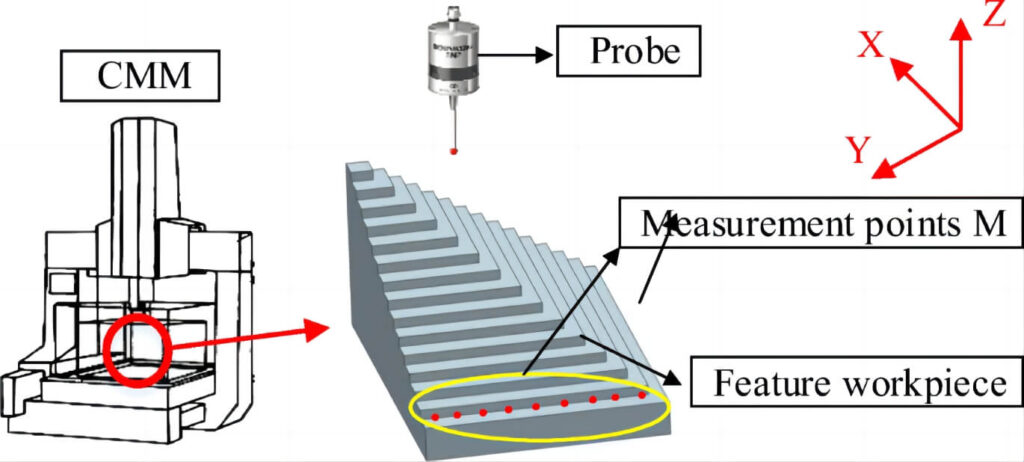
1.Errori statici:
Questi derivano dalle proprietà fisiche e dalle impostazioni della sonda. Essi comprendono:
- Errore della zona morta:La flessione dello stilo della sonda al contatto con il pezzo crea una leggera imprecisione di misura.
- Errore di posizionamento ripetuto:Anche se meno frequente, questo errore si verifica a causa di leggere variazioni nel posizionamento della sonda durante le misurazioni ripetute.
La riduzione degli errori statici spesso comporta l'ottimizzazione delle impostazioni della pressione di contatto e l'utilizzo di una sonda con uno stilo più rigido o di lunghezza inferiore.
2. Errori dinamici:
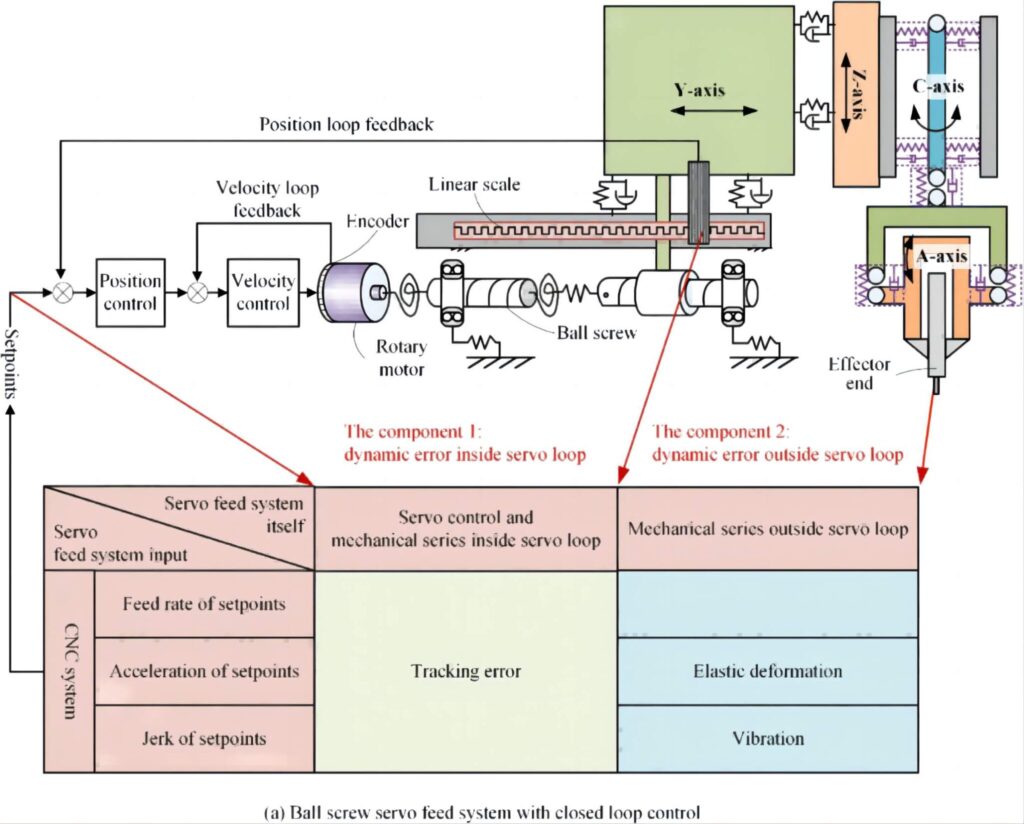
Queste derivano dall'interazione della sonda con il sistema CNC. Sono causati da:
- Velocità di contatto della sonda:Una velocità di contatto della sonda eccessivamente rapida o lenta può portare a misure imprecise.
- Intervallo di campionamento:La frequenza di campionamento del sistema CNC per i segnali della sonda può influire sulla precisione.
L'ottimizzazione di questi errori comporta solitamente l'impostazione della velocità di contatto ideale della sonda e dell'intervallo di campionamento all'interno delle impostazioni del sistema CNC.
3.Errori di installazione:
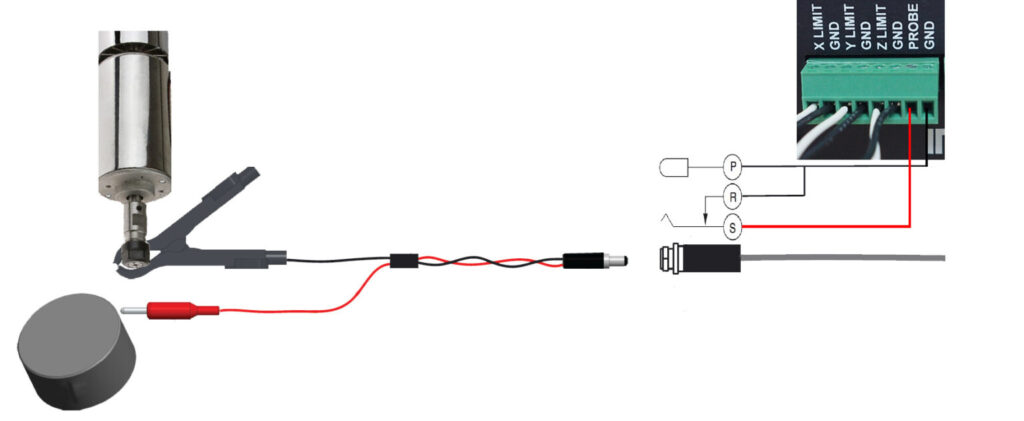
Questi errori sono dovuti a errori durante l'installazione della sonda e possono essere causati da:
- Problemi di software:Configurazione errata della sonda nel software CNC.
- Problemi di hardware:Montaggio fisico non corretto della sonda sulla macchina utensile.
Il rispetto scrupoloso delle istruzioni di installazione del produttore e la formazione adeguata degli operatori della macchina possono ridurre notevolmente gli errori di installazione.
4.Errori termici:
Le fluttuazioni di temperatura possono causare l'espansione o la contrazione dei componenti della sonda, con conseguenti imprecisioni di misura. Ciò può essere causato da:
- Variazioni della temperatura ambiente:Le variazioni della temperatura del negozio possono influire sulle prestazioni della sonda.
- Calore generato dalla macchina:Anche il calore generato dalla macchina utensile può influire sulla precisione della sonda.
Il mantenimento di una temperatura controllata in officina e l'uso di sonde progettate per la stabilità termica possono contribuire a ridurre questi errori.
5. Rumore elettrico:
Le interferenze dei segnali elettrici all'interno dell'ambiente della macchina utensile possono disturbare la trasmissione del segnale della sonda, causando falsi inneschi o misure imprecise. Ciò può essere causato da:
- Messa a terra difettosa:Una messa a terra non corretta della macchina utensile o della sonda può provocare disturbi elettrici.
- Attrezzature nelle vicinanze:Altre apparecchiature elettriche nelle vicinanze potrebbero generare interferenze.
Garantire pratiche di messa a terra adeguate e ridurre al minimo la presenza di apparecchiature rumorose vicino alla macchina utensile può contribuire a ridurre gli errori dovuti al rumore elettrico.
Comprendendo questi errori di sistema comuni e implementando soluzioni appropriate, le aziende manifatturiere e gli operatori di macchine utensili possono garantire che le loro sonde forniscano misure altamente accurate, migliorando il controllo della qualità e l'efficienza della produzione.
Qualsiasi domanda, non esitate a contattare Metrologia Qidu per ulteriori informazioni professionali.
