
Table of Contents
Choosing a CNC tool setter sounds straightforward until the installation begins. At that point, practical questions quickly replace specifications. Will it work with your control? How stable is the measurement? Will coolant affect accuracy? These are the real concerns machinists deal with on the shop floor.
This guide walks through the most common questions users ask before and after installing a tool setter, and explains what actually matters in daily machining. Whether you are adding your first tool setter or replacing an existing unit, these points will help you avoid mistakes and choose the right solution.
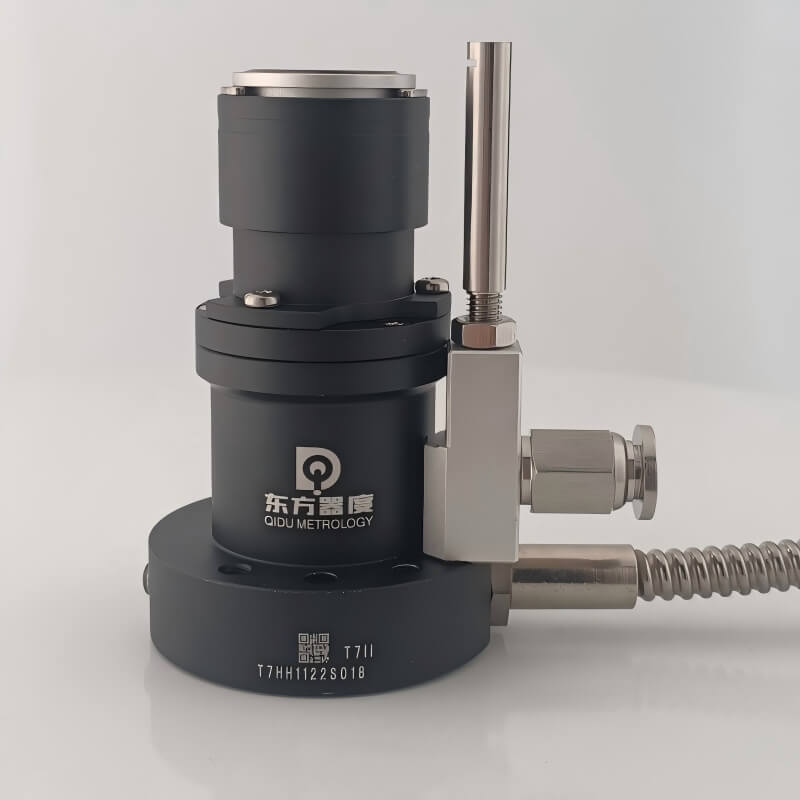
Compatibility With Your CNC System Comes First
The first thing users want to know is simple: is the tool setter compatible with my CNC system?
Most workshops run different controls, such as Fanuc, Siemens, Haas, or Mitsubishi. A tool setter that requires complex integration often slows down installation and increases risk.
A well-designed tool setter should support standard CNC inputs and work with common probing cycles. Ideally, the unit connects through a simple interface and communicates using standard skip signals. This avoids PLC modifications and keeps the machine safe.
Compatibility also affects long-term reliability. If the system works with standard probing logic, maintenance becomes easier and operators do not need to relearn procedures.
Macro Programs Reduce Installation Time
After confirming compatibility, the next question usually follows: does it come with macro programs?
Pre-written macros save hours of setup time. Without them, users must manually write tool measurement cycles, which increases the chance of errors.
Good macro packages typically include:
- Automatic tool length measurement
- Tool breakage detection cycles
- Tool wear compensation routines
- Safe approach and retract logic
When macros are ready to use, operators can install the tool setter and begin measuring tools immediately. This is especially valuable for shops running multiple machines.
Accuracy and Repeatability in Real Conditions
Specifications often highlight accuracy, but machinists care more about repeatability. The real question becomes: what is the accuracy and repeatability during actual machining?
In practice, repeatability matters more than absolute accuracy. A stable tool setter ensures consistent tool offsets, which directly affects part quality. Even small variations can lead to tolerance issues in high-precision work.
Factors that influence repeatability include:
- Trigger mechanism design
- Surface protection against chips
- Thermal stability
- Signal filtering
A tool setter designed for industrial use maintains stable readings across repeated measurements, even in changing shop conditions.
Coolant and Chip Protection Is Critical
Machine tools operate in harsh environments. That is why users always ask about coolant and chip resistance. A tool setter must continue working under heavy coolant flow and chip impact.
Proper protection usually includes:
- Sealed trigger structure
- Splash-resistant housing
- Chip deflection surface
- Internal signal shielding
Without these features, coolant buildup or chips on the contact surface can cause unstable measurements. Over time, this leads to scrap parts and lost production time.
Protection Against Accidental Collision
Another frequent concern is simple: will the tool setter be easily damaged?
Accidental collisions happen, especially during setup or manual jogging. A fragile tool setter can stop production entirely.
Industrial tool setters often include:
- Over-travel protection
- Spring-loaded trigger mechanism
- Replaceable contact surface
- Internal shock absorption
These features allow the unit to survive minor collisions and continue working. This is particularly important in automated machining where operators may not immediately notice an error.
Installation Should Be Simple and Flexible
Users also worry about installation complexity. If mounting and wiring require extensive adjustments, downtime increases.
A practical tool setter should allow:
- Fixed mounting or adjustable placement
- Standard bracket installation
- Simple signal wiring
- No additional controller hardware
Flexible installation helps users place the tool setter in a safe area without affecting machining travel.
Calibration Requirements
Once installed, the next question appears: does the tool setter require calibration?
Most systems need a simple calibration procedure using a reference tool. This step establishes the exact measurement height.
However, calibration should be quick and repeatable. A well-designed system only needs occasional recalibration, typically after:
- Machine maintenance
- Tool setter relocation
- Major temperature changes
Frequent calibration requirements usually indicate unstable measurement behavior.
Tool Breakage Detection Capability
Many users expect more than tool length measurement. They also ask: does it support tool breakage detection?
This function checks whether a tool is missing or broken before machining begins.
Tool breakage detection helps:
- Prevent scrap parts
- Protect fixtures
- Avoid spindle crashes
- Enable unattended machining
For shops running lights-out production, this feature becomes essential rather than optional.
Measurement Stability in Daily Use
Even with proper installation, users still monitor one key factor: measurement stability. A stable tool setter produces consistent readings over time.
Instability usually comes from:
- Chips on the contact surface
- Coolant turbulence
- Loose mounting
- Electrical noise
A well-built unit minimizes these effects through mechanical design and signal filtering. Stable measurement ensures reliable tool offsets throughout production.
Service Life and Long-Term Reliability
Finally, buyers want to know: how long will the tool setter last?
Service life depends on mechanical durability and environmental protection. Industrial tool setters are typically designed for millions of trigger cycles.
Long service life reduces:
- Maintenance costs
- Downtime
- Replacement frequency
Replaceable wear parts, such as contact plates or stylus components, also extend usability without replacing the entire unit.
Conclusion
When selecting a CNC tool setter, technical specifications only tell part of the story. Real-world concerns—compatibility, macro support, repeatability, coolant protection, collision resistance, and long-term stability—determine actual performance.
A reliable tool setter should be easy to install, simple to calibrate, stable in harsh environments, and capable of detecting tool breakage. Most importantly, it should continue delivering consistent measurements over years of production.
Understanding these practical considerations helps users choose a tool setter that improves efficiency, protects machines, and maintains machining accuracy. Welcome to contact Qidu Metrology team if you need more detailed information.
