
Table of Contents
Introduction
Walk into any busy machine shop and you’ll notice one thing quickly—everything depends on consistency. Not just speed, not just output, but repeatable, predictable accuracy. And right in the middle of that process sits a component many teams overlook until something goes wrong: the tool setting arm.
When you’re running high-frequency jobs—constant tool changes, tight tolerances, short cycle times—the tool setting arm quietly becomes one of the most important parts of your workflow. If it’s slightly off, everything downstream feels it. If it’s dialed in, your entire operation runs smoother.
This isn’t about theory. It’s about what actually works on the shop floor. In this guide, we’ll go through five practical ways to make your tool setting arm more reliable, more accurate, and easier to manage in real high-frequency production.
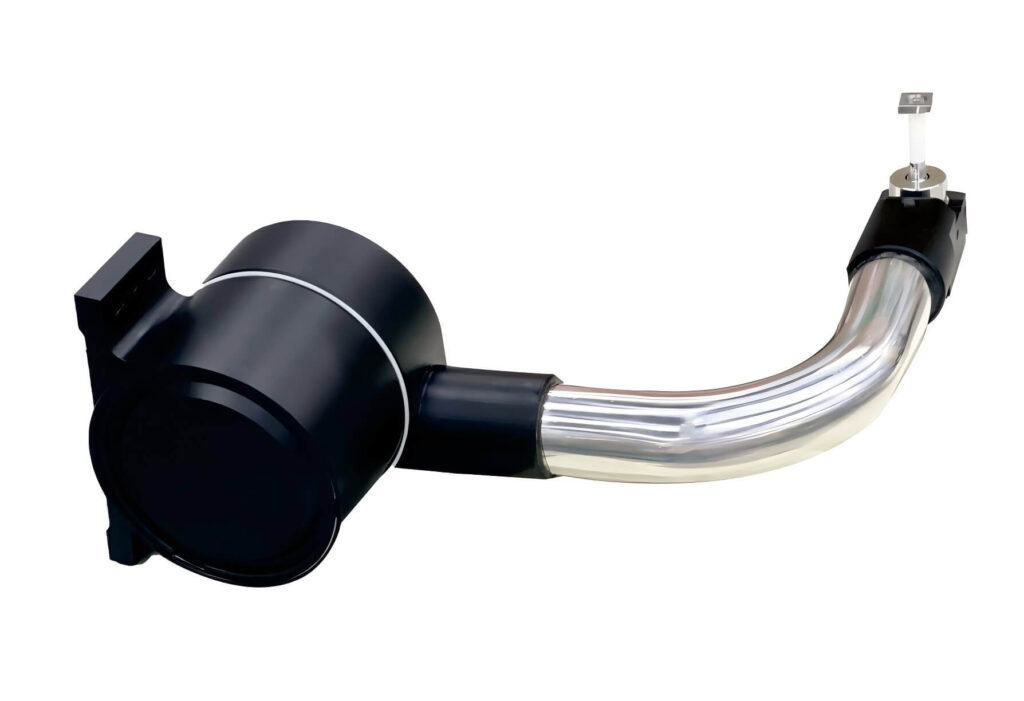
Understanding the Role of a Tool Setting Arm in High-Frequency Operations
What a Tool Setting Arm Really Does
At its core, a tool setting arm is there to answer one simple question: Is your tool exactly where you think it is?
It helps measure tool length, position, and sometimes diameter, making sure your CNC machine cuts exactly as programmed. In low-volume work, that might not sound dramatic. But in high-frequency production, where tools are constantly swapped and verified, this process happens again and again—sometimes hundreds of times a day.
That’s where the pressure builds.
Why High-Frequency Use Changes Everything
The more often you use a tool setting arm, the less forgiving the system becomes. Tiny inconsistencies that don’t matter once or twice start stacking up.
You begin to see things like:
- Slight measurement drift
- Unexpected tool offsets
- Inconsistent part quality
- More time spent double-checking setups
Most of the time, these issues don’t come from one big failure—they come from small things being ignored over time. That’s why optimizing for high-frequency use isn’t optional. It’s survival.
Keep Calibration Simple, but Consistent
Why Shops Get Calibration Wrong
Most teams don’t ignore calibration—they just treat it as something to do “when needed.” The problem is, in high-frequency environments, everything is “when needed.”
A tool setting arm that was accurate yesterday can already be slightly off today, especially after heavy use, vibration, or temperature changes.
A Practical Way to Handle It
You don’t need a complicated system. What you need is discipline.
A routine that actually works looks like this:
- Wipe down the contact point before starting
- Use the same reference tool every time
- Check repeatability—not just a single reading
- Adjust immediately if something feels off
Some shops do this once per shift. Others do it at the start of every critical job. The exact timing depends on your workload—but the key is consistency.
If operators trust the tool setting arm, they move faster. If they don’t, everything slows down.
Materials Matter More Than You Think
Where Problems Usually Start
A lot of performance issues don’t come from design—they come from wear. And wear comes down to materials.
In high-frequency use, the tool setting arm is constantly exposed to:
- Mechanical contact
- Coolant
- Fine chips and debris
- Temperature variation
Over time, weaker materials start to show it—slight deformation, surface wear, or even corrosion.
What Holds Up in Real Conditions
If you want something that lasts, focus on durability over cost.
Shops that run heavy cycles often prefer:
- Stainless steel for corrosion resistance
- Hardened steel for wear surfaces
- Reinforced alloys for structural stability
And for high-precision contact points, ceramic tips or treated surfaces can make a noticeable difference.
The goal isn’t just longevity—it’s keeping the tool setting arm stable after thousands of cycles, not just the first hundred.
Prevent Problems Before They Stop Production
The Reality of Maintenance
Most breakdowns don’t happen suddenly. There are always signs—you just don’t notice them until it’s too late.
With a tool setting arm, those signs are usually small:
- Slightly rough movement
- Inconsistent readings
- A loose component that wasn’t there before
Ignore them long enough, and suddenly you’re dealing with downtime.
A Maintenance Routine That Actually Works
You don’t need a long checklist. You need a realistic one that people will follow:
- Clean it daily (especially in coolant-heavy environments)
- Check for looseness or vibration
- Lubricate moving parts where needed
- Look closely at contact surfaces
- Test repeatability occasionally, not just when something fails
Think of maintenance as part of production—not something separate. A well-kept tool setting arm doesn’t just last longer; it saves time every single day.
Don’t Underestimate the Operator
Equipment Is Only Half the Story
You can install the best tool setting arm on the market, but if operators rush through setups or skip steps, you’ll still get inconsistent results.
In high-frequency environments, people fall into habits. Some are good. Some quietly create problems.
What Good Training Looks Like
Forget long manuals—focus on real usage.
Operators should be comfortable with:
- Proper positioning and handling
- Basic calibration steps
- Spotting early signs of wear or misalignment
- Knowing when something “doesn’t feel right”
The best operators don’t just follow instructions—they notice patterns. And that’s what keeps a tool setting arm performing well over time.
Use Technology Where It Actually Helps
Not Everything Needs Automation
There’s a tendency to think automation solves everything. It doesn’t. But used correctly, it can take pressure off repetitive tasks.
For a tool setting arm, the right technology can:
- Reduce manual measurement steps
- Improve repeatability
- Speed up tool setup
Where Technology Makes a Difference
Useful upgrades include:
- Touch probe systems for automatic measurement
- Sensors that detect abnormal contact or wear
- CNC integration for automatic offset updates
Some shops go further with monitoring systems that track usage and predict maintenance needs.
But even with advanced tools, the basics still matter. Technology supports the process—it doesn’t replace good habits.
Conclusion
A high-frequency production environment exposes every weakness in your workflow. And more often than not, the tool setting arm is where those weaknesses show up first.
The good news is, improving performance doesn’t require a complete overhaul. It comes down to doing a few things well, consistently:
- Keep calibration regular and simple
- Use materials that can handle real-world wear
- Stay ahead with basic maintenance
- Make sure operators actually understand the process
- Add technology where it genuinely saves time
Get these right, and your tool setting arm stops being a hidden risk—and starts becoming a reliable part of your production flow. Welcome to contact Qidu Metrology for more detailed information if you need.
Frequently Asked Questions
1. What is the most common issue with a tool setting arm in high-frequency operations?
Wear and misalignment are the biggest problems. They build up gradually with repeated use and often go unnoticed until accuracy starts to drop.
2. How often should I calibrate my tool setting arm?
In high-frequency environments, daily calibration or checking at the start of each shift is a practical standard.
3. What materials are best for durability?
Stainless steel, hardened steel, and reinforced alloys are widely used because they handle wear, pressure, and coolant exposure well.
4. Can a tool setting arm be fully automated?
Automation helps a lot, especially with measurement and offsets. But manual checks and operator awareness are still necessary.
5. How do I train operators effectively?
Focus on real tasks—handling, calibration, and troubleshooting. Short, practical training sessions work better than long theoretical ones.
