
Índice
Introdução: Compreender as avarias nas sondas CNC
As sondas CNC são ferramentas essenciais na usinagem de precisão moderna. Desde o ajuste de ferramentas e a inspeção de peças até à garantia de um controlo de qualidade rigoroso, estas sondas ajudam os operadores de máquinas a manter a precisão e a eficiência. No entanto, apesar da sua importância, a quebra frequente das sondas CNC continua a ser um problema comum e dispendioso para as operações de fabrico.
Cada sonda avariada pode causar paragens não planeadas, aumento dos custos de reparação e atrasos nos calendários de produção. Compreender as causas subjacentes a estas avarias é fundamental para minimizar as perturbações e maximizar a vida útil do seu equipamento.
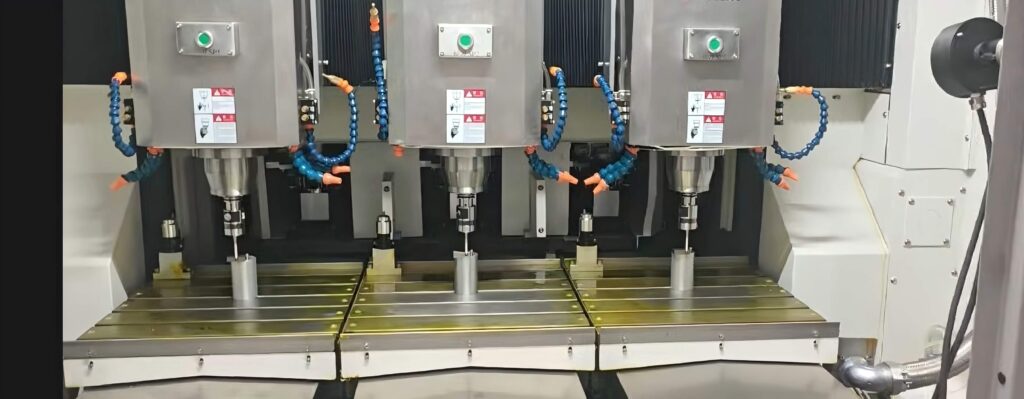
Causas comuns e frequentes de falhas nas sondas CNC
Erros do operador que provocam danos frequentes no sondador CNC
O erro humano é frequentemente a principal causa das avarias nas sondas. O manuseamento incorreto durante a configuração, ângulos de aproximação inadequados das ferramentas e o desalinhamento durante as medições podem danificar facilmente as sondas sensíveis. Mesmo os operadores experientes podem, ocasionalmente, cometer erros, o que realça a necessidade de formação contínua e de procedimentos padronizados.
Avarias nas máquinas e o seu impacto na vida útil das sondas CNC
O desempenho da máquina afeta diretamente a durabilidade das sondas. Problemas como o desvio do fuso, a instabilidade dos eixos da máquina e erros de calibração geram forças desiguais nas sondas, aumentando o risco de quebra. É essencial realizar diagnósticos e manutenção regulares da máquina para evitar falhas nas sondas de origem mecânica.
Fatores ambientais que afetam a durabilidade das sondas CNC
As sondas CNC funcionam em ambientes de oficina exigentes. A contaminação causada pelo pó, os salpicos de líquido de arrefecimento, a vibração proveniente de equipamentos próximos e as variações extremas de temperatura podem comprometer o funcionamento da sonda. Manter o espaço de trabalho limpo e controlado é essencial para preservar a integridade da sonda.
Componentes da sonda com qualidade inferior à norma ou gastos
A utilização de pontas de contacto de baixa qualidade ou de peças mecânicas gastas pode acelerar as avarias da sonda. Investir em componentes certificados e duradouros garante um desempenho fiável e reduz a frequência de avarias inesperadas.
Perspetivas técnicas: Por que razão as sondas CNC de alta frequência avariam com mais frequência
Compromissos entre sensibilidade e durabilidade
As sondas CNC de alta sensibilidade são concebidas para detetar variações mínimas na geometria das peças. No entanto, essa sensibilidade tem um custo: são mais suscetíveis a partir-se devido ao desgaste normal, a colisões ou a pequenos erros de manuseamento. É fundamental encontrar o equilíbrio entre sensibilidade e robustez.
Operações repetitivas a alta velocidade que causam tensão
As operações de maquinagem a alta velocidade, combinadas com medições frequentes com a sonda, impõem uma solicitação mecânica repetida. Com o tempo, isto conduz à fadiga dos componentes da sonda e aumenta a probabilidade de avaria.
Limitações das sondas específicas para cada material
Certos materiais apresentam desafios únicos. Superfícies duras, refletoras ou irregulares podem gerar forças imprevisíveis nas sondas durante a medição. A seleção dos tipos de sonda adequados para materiais específicos é fundamental para evitar danos.
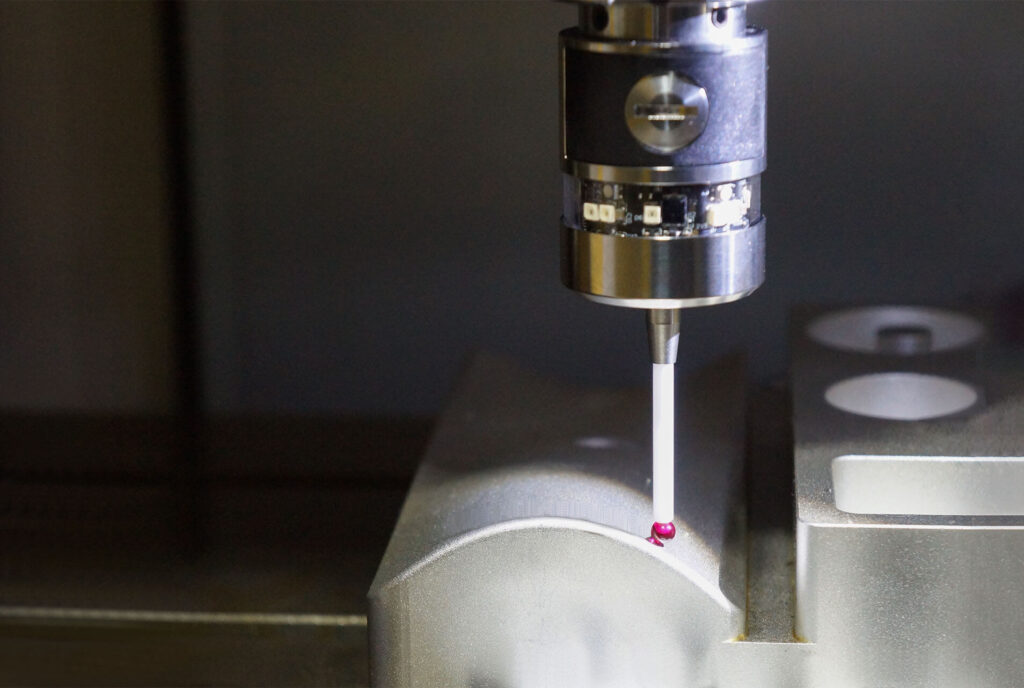
Estratégias especializadas para prevenir a quebra da sonda CNC
Formação de operadores para manuseamento de precisão
Investir na formação dos operadores é a medida preventiva mais eficaz. Ensinar as melhores práticas em matéria de aproximação da ferramenta, controlo da velocidade e prevenção de colisões minimiza o erro humano e prolonga a vida útil da sonda.
Manutenção e calibração regulares
As rotinas de manutenção programadas — inspeção, limpeza e realinhamento — garantem que as sondas e as máquinas se mantenham em condições ideais. A calibração regular reduz as avarias relacionadas com o desgaste e mantém a precisão das medições.
Utilização de sondas e pontas de medição CNC de alta qualidade
A qualidade é importante. Escolher produtos certificados, sondas CNC resistentes e estiletes é um investimento na fiabilidade. Os componentes de qualidade superior resistem ao desgaste e suportam melhor as tensões operacionais do que as alternativas de qualidade inferior.
Implementação de funcionalidades inteligentes de segurança das máquinas
As máquinas CNC modernas vêm equipadas com funcionalidades de segurança inteligentes, tais como deteção de colisões, sondas sem fios e sistemas de feedback automatizados. Estas tecnologias proporcionam proteção em tempo real contra danos acidentais e reduzem o tempo de inatividade.
Exemplos reais de quebra de sondas CNC e respetivas soluções
Estudo de caso 1: Falhas na fresagem a alta velocidade
Uma oficina de fabrico enfrentava quebras frequentes das sondas durante a fresagem a alta velocidade. Após análise, concluiu-se que a tensão repetitiva e a vibração eram as principais causas do problema. A implementação de medidas de amortecimento de vibrações e a utilização de sondas de elevada durabilidade reduziram significativamente as avarias.
Estudo de caso 2: Erros de desalinhamento do operador
Noutro caso, um operador desalinhou repetidamente as sondas durante a inspeção das peças. A solução incluiu a reciclagem do operador e a implementação de uma lista de verificação passo a passo para a configuração. As quebras diminuíram drasticamente, comprovando a eficácia dos procedimentos estruturados.
Estudo de Caso 3: Problemas de contaminação ambiental
Uma oficina enfrentava problemas com salpicos de líquido de arrefecimento e contaminação por poeira, que provocavam avarias nas sondas. Ao redesenhar o invólucro e introduzir protocolos de limpeza regulares, a oficina prolongou a vida útil das sondas e reduziu a manutenção não planeada.
FAQs
Com que frequência deve ser substituída uma sonda CNC?
Depende da utilização, do desgaste operacional e dos tipos de materiais. A inspeção regular é fundamental para determinar os intervalos de substituição.
A formação dos operadores pode reduzir significativamente a quebra das sondas?
Sem dúvida. Uma formação adequada minimiza os erros de manuseamento e de alinhamento, que são as principais causas de avarias.
As sondas CNC de alta velocidade são mais frágeis do que as normais?
Podem ser, devido à sua maior sensibilidade. No entanto, a sua utilização com medidas de segurança adequadas permite preservar a durabilidade.
Que rotinas de manutenção prolongam a vida útil da sonda?
A limpeza regular, a inspeção, as verificações de alinhamento e a calibração ajudam a garantir a fiabilidade a longo prazo.
As sondas sem fios inteligentes podem evitar avarias?
Sim. Funcionalidades como a deteção de colisões, os alertas automáticos e o feedback em tempo real ajudam os operadores a evitar danos acidentais.
Contacto com Qidu Metrologia se necessitar de informações mais pormenorizadas.
