
목차
I. Introduction
A. Understanding the Importance of Lathe Tool Setting
Lathe tool setting is a fundamental process in machining that directly influences the accuracy, efficiency, and quality of the final product. It involves the precise positioning and configuration of the cutting tool relative to the workpiece on a lathe machine. Correctly setting the lathe tool ensures optimal cutting performance, minimizes errors, and extends tool life.
B. Brief Overview of the Key Concepts
This article will delve into the fundamentals of lathe tool setting, including:
- Types of lathe tools and their respective applications
- The importance of precision in machining and factors affecting it
- Techniques for setting tool height, angle, and orientation
- Selecting the right cutting speeds and feeds for different materials
- Advanced tips and tricks for optimal tool setting, including tool material selection, wear monitoring, and using jigs and fixtures
- Common mistakes to avoid when setting lathe tools
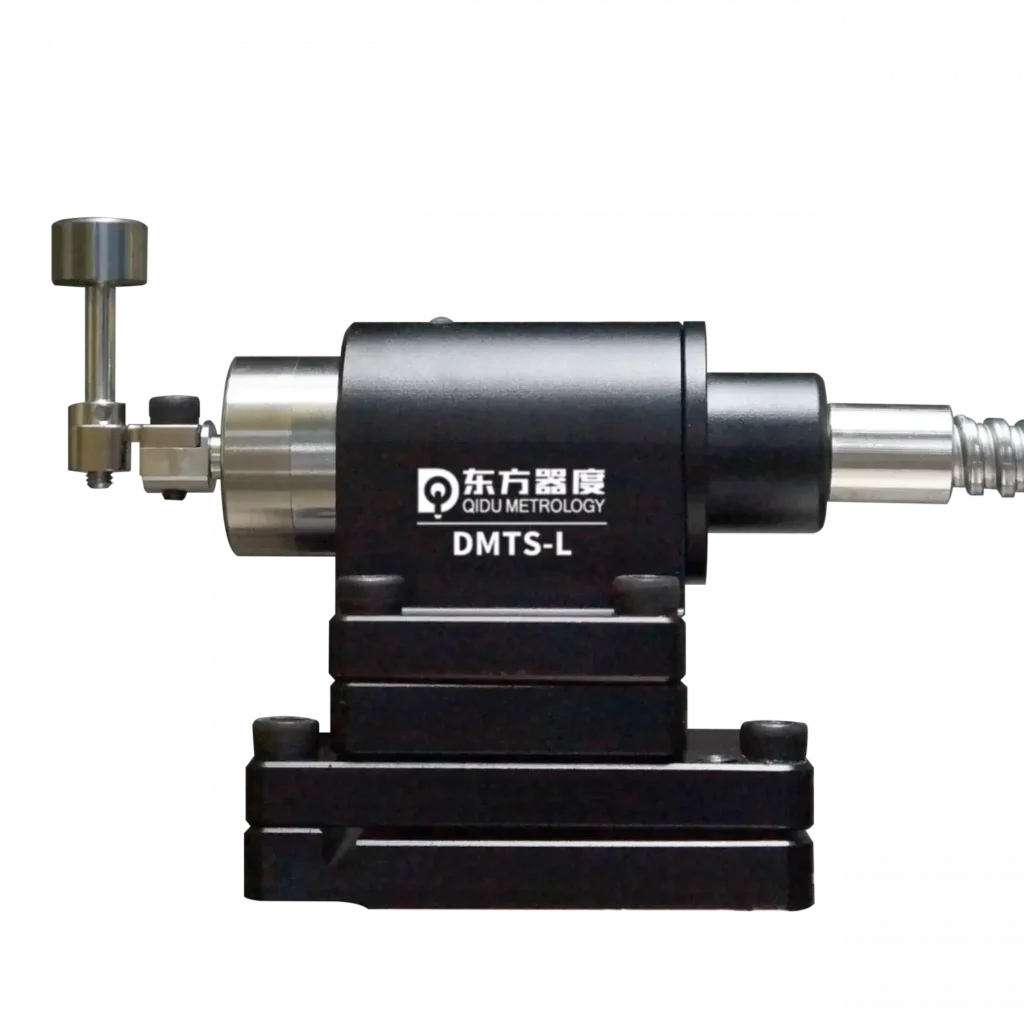
II. The Fundamentals of Lathe Tool Setting
A. What is Lathe Tool Setting?
Lathe tool setting encompasses the following key aspects:
- Tool height:Positioning the tool tip at the correct height relative to the workpiece center.
- Tool angle:Setting the appropriate angle of the tool tip for the desired cutting operation.
- Tool orientation:Ensuring the tool is aligned correctly with the lathe’s axis of rotation.
- Cutting speed and feed:Selecting the optimal speed and feed rate for the specific tool and material being used.
B. Types of Lathe Tools
There are various types of lathe tools, each suited for different cutting operations:
- Turning tools:Used for facing, turning, and boring cylindrical surfaces.
- Facing tools:Designed for creating flat surfaces on the workpiece.
- Boring tools:Employed for enlarging existing holes or creating new ones.
- Threading tools:Used for cutting threads on the workpiece.
- Grooving tools:Employed for cutting grooves and channels on the workpiece.
C. Importance of Precision in Machining
Precision in machining is crucial for achieving the desired workpiece dimensions, surface finish, and overall quality. Incorrect tool setting can lead to dimensional errors, poor surface finish, tool damage, and even safety hazards.
III. Techniques for Effective Lathe Tool Setting
A. Setting the Correct Tool Height
The tool height is set by adjusting the tool’s position in the toolholder or turret. The most common methods involve:
- Using a dial indicator:This provides precise measurement of the tool tip’s position relative to the workpiece.
- Referencing the machine’s tool offset parameters:These parameters store the tool’s height and position relative to the machine’s coordinate system.
B. Ensuring Proper Tool Angle and Orientation
The tool angle and orientation are critical for achieving the desired cutting results. They can be adjusted by:
- Using a protractor or angle gauge:These tools help measure the tool’s angle relative to the workpiece.
- Visually aligning the tool with the workpiece:This method requires experience and a keen eye for detail.
C. Choosing the Right Cutting Speeds and Feeds
The cutting speed and feed rate determine the material removal rate and surface finish. Selecting the appropriate values depends on factors such as:
- Tool material and geometry:Different tool materials have different recommended cutting speeds.
- Workpiece material:Harder materials require slower cutting speeds and lower feed rates.
- Desired surface finish:Higher surface finishes require slower cutting speeds and lower feed rates.
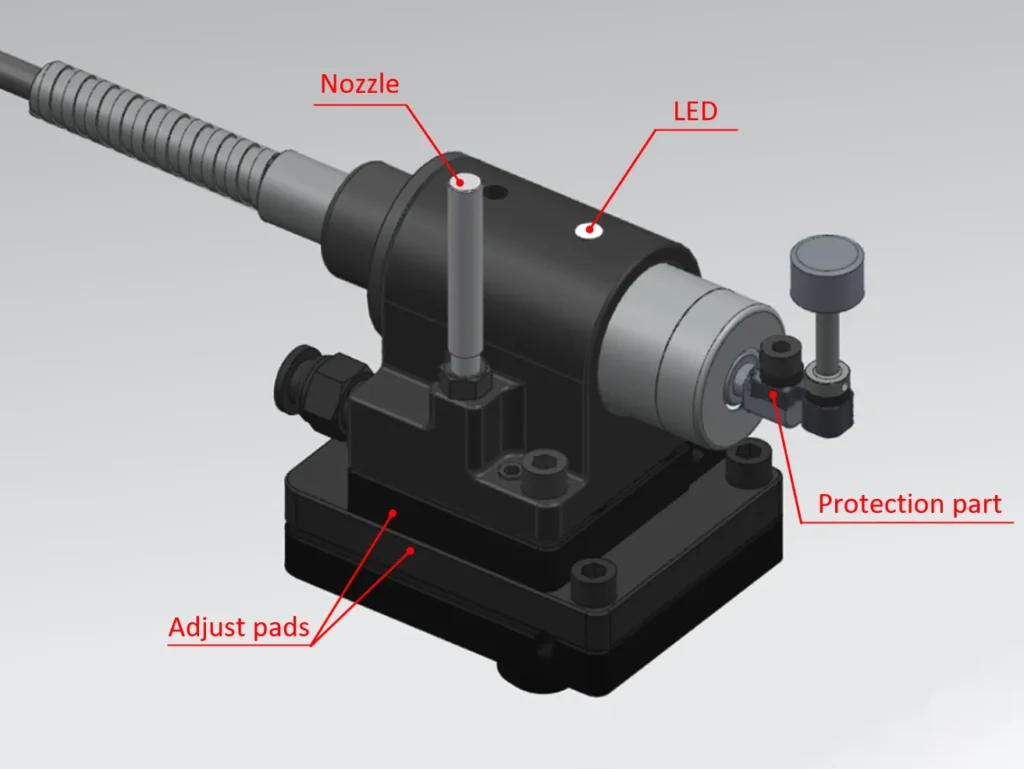
IV. Advanced Tips and Tricks for Optimal Lathe Tool Setting
A. Tool Material Selection
Selecting the right tool material is crucial for achieving optimal performance and tool life. Common tool materials include:
- High-speed steel (HSS):Suitable for general-purpose machining of various materials.
- Carbide:Offers better wear resistance and cutting speeds than HSS.
- Ceramic:Ideal for high-speed machining of hard and abrasive materials.
- Diamond:Used for machining hard and brittle materials like glass and ceramics.
B. Tool Wear Monitoring and Maintenance
Regularly monitoring tool wear is essential for maintaining cutting efficiency and preventing tool failure. Signs of tool wear include:
- Reduced cutting performance:Increased cutting forces, poor surface finish, and longer machining times.
- Visual signs of wear:Chipping, cracking, or bluing of the tool tip.
C. Utilizing Jigs and Fixtures for Consistent Results
Jigs and fixtures are workholding devices that ensure consistent and accurate positioning of the workpiece. This helps improve machining precision and repeatability.
V.Common Mistakes to Avoid in Lathe Tool Setting
A. Overlooking Tool Sharpness
A dull tool can lead to poor surface finish, increased cutting forces, and premature tool wear. Regularly sharpening the tool ensures optimal cutting performance and extends tool life.
B. Incorrect Tool Alignment
Incorrect tool alignment can cause chatter, vibration, and deflection, resulting in poor surface finish and dimensional errors. Ensure proper alignment of the tool with the workpiece and the lathe’s axis of rotation.
C. Neglecting Regular Tool Inspections
Regularly inspecting tools for signs of wear, damage, or chipping is crucial for preventing accidents and maintaining cutting efficiency. Replace or recondition worn-out tools promptly.
Commonly Asked Questions
What are the key factors in lathe tool setting?
The key factors in lathe tool setting include:
- Tool height:Ensuring the correct height of the tool tip relative to the workpiece center.
- Tool angle and orientation:Setting the appropriate angle and orientation of the tool for the desired cutting operation.
- Tool material:Selecting the right tool material based on the workpiece material and cutting requirements.
- Cutting speed and feed:Choosing the optimal cutting speed and feed rate for the specific tool and material being used.
How to ensure high-precision lathe tool setting?
To ensure high-precision lathe tool setting:
- Use precision tools and measuring instruments, such as dial indicators and protractors.
- Follow the manufacturer’s instructions and recommendations for the specific tool and machine being used.
- Regularly inspect and maintain the tools and machine to ensure they are in good working condition.
- Pay attention to details and take your time when setting the tools.
What are some common lathe tool setting mistakes?
Some common lathe tool setting mistakes include:
- Overlooking tool sharpness:Using a dull tool can lead to poor surface finish, increased cutting forces, and premature tool wear.
- Incorrect tool alignment:This can cause chatter, vibration, and deflection, resulting in poor surface finish and dimensional errors.
- Neglecting regular tool inspections:This can lead to accidents and tool damage.
- Using the wrong tool material:This can result in inefficient cutting, tool damage, and poor surface finish.
How to choose the right tool material for a specific application?
The right tool material for a specific application depends on various factors, including:
- Workpiece material:Different materials require different tool materials. For example, HSS is suitable for general-purpose machining, while carbide is better for harder materials.
- Cutting speed and feed rate:Higher cutting speeds and feed rates require more wear-resistant tool materials like carbide or ceramic.
- Desired surface finish:A finer surface finish requires a sharper tool material, such as diamond or CBN.
결론
By mastering lathe tool setting techniques and avoiding common mistakes, machinists can achieve high-precision results, improve efficiency, and extends tool life. By carefully considering the factors involved and selecting the appropriate tools and settings, machinists can ensure optimal performance and quality in their lathe operations. Welcome to contact Qidu 계측 팀에 문의하세요.