
가공 우수성 달성을 위한 CNC 공구 세터의 중요한 역할

CNC 가공의 영역에서는 정밀도가 가장 중요합니다. 모든 절삭, 드릴 및 밀링은 완벽한 결과를 위해 절삭 공구의 정확한 위치에 의존합니다. CNC 공구 세터는 정확성과 효율성의 조용한 수호자 역할을 합니다.
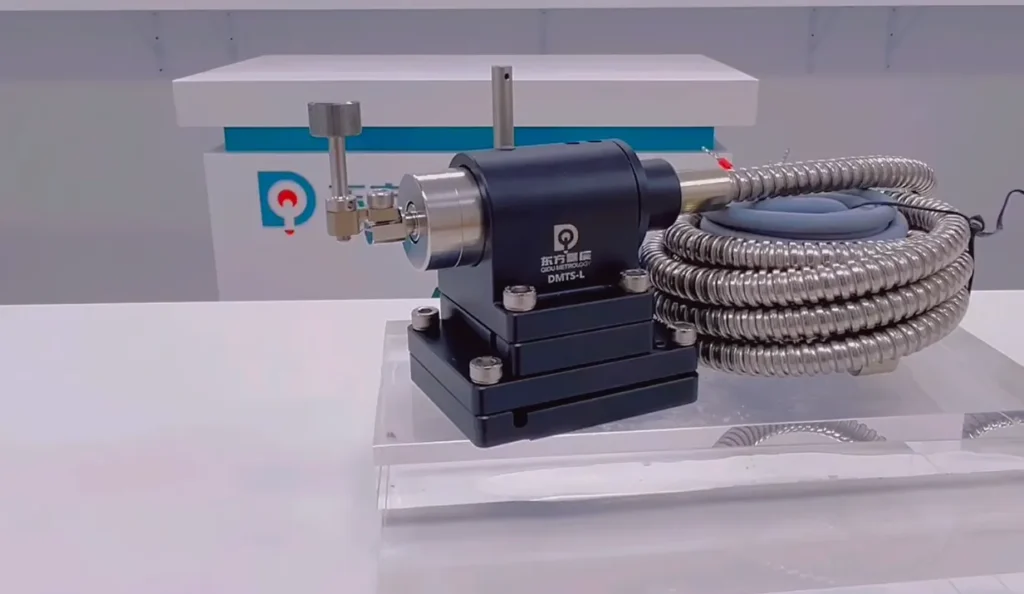
CNC tool setters DMTS-L

Understanding the Significance of CNC tool setters

CNC tool setters are specialized sensors that automate the process of setting tool length and diameter offsets within a CNC machine. Traditionally, this task involved manual measurements and test cuts, a process prone to human error and time-consuming. Tool setters eliminate this human element, establishing a new standard for accuracy and repeatability.

Importance of CNC tool setters in CNC Machining

The significance of tool setters is multifaceted. Let’s delve deeper into their impact:

A: Enhancing Precision with CNC tool setters

Even the slightest discrepancy in tool length can have disastrous consequences on the final product. CNC tool setters guarantee accurate tool positioning by automatically measuring the length and offsetting it within the CNC program. Besides, the tool setters elevate machining precision in several key ways:

  • Eliminating Human Error:Manual tool setting is prone to mistakes. Tool setters automate the process, ensuring consistent and accurate tool length and diameter measurements. This minimizes human error as a factor affecting precision.
  • 반복성:Tool setters provide repeatable measurements. Each time a tool is measured, the setter delivers the same result, reducing inconsistencies in tool positioning and enhancing overall machining accuracy.
  • Temperature Compensation:Slight temperature fluctuations can impact tool length. Some tool setters incorporate temperature sensors to account for these variations and adjust offsets accordingly, maintaining precise tool positioning.
  • 도구 마모 감지:Certain tool setters can detect tool wear by measuring minuscule changes in tool length or diameter. Early detection of wear allows for preventative tool changes, preventing inaccuracies caused by dull or damaged tools.   

B: Impact of High-Frequency Tool Adjustments

Modern CNC machining often involves frequent tool changes, particularly in complex projects. Each tool change necessitates resetting the tool offset. CNC tool setters automate this process, significantly reducing setup times and allowing for faster production cycles.

The Functionality of CNC tool setters

Understanding how CNC tool setters work sheds light on their effectiveness:

A: Operating Principles of CNC tool setters

A typical CNC tool setter is a touch probe triggered by physical contact with the tool tip. The probe transmits a signal to the CNC controller upon contact, indicating the exact tool position. This information is then used to automatically calculate and set the tool offset within the program.

B: Benefits of Incorporating CNC tool setters

The advantages of implementing CNC tool setters are numerous:

  1. Enhanced Precision and Reduced Scrap:Eliminate manual tool offset calculations and the possibility of human error during setup. This leads to more consistent tool positioning and part dimensions, minimizing scrapped parts due to machining inconsistencies.
  2. 설정 시간 단축:Manual tool offset setting can be quite time-consuming. Tool setters automate this process, significantly reducing setup times and allowing for quicker operation of your CNC machine.
  3. Boosted Productivity:Reduced setup times and minimized scrap rates through the use of tool setters can significantly improve your overall machining productivity. You’ll be able to produce more parts in less time, enhancing profitability.
  4. Reduced Reliance on Skilled Operators:Tool setters remove some of the expertise required for manual tool setting. This can make your machining operation less reliant on highly skilled operators, and simplifies training new employees.
  5. Improved Machine Protection:By ensuring accurate tool offsets, tool setters can help to prevent crashes and other machine damage caused by incorrect tool positioning.
  6. 연장된 도구 수명:Reduced tool wear and tear through accurate positioning and minimized setup times can lead to extended tool life and reduced tooling costs.
  7. Enhanced Data Collection and Monitoring:Certain tool setters offer functionalities for data collection and monitoring of tool wear and performance. This valuable information can be used for preventative maintenance and optimizing machining processes.

Improving Efficiency and Quality with CNC tool setters

The impact of CNC tool setters extends beyond accuracy, directly influencing the efficiency and quality of CNC machining:

A: How CNC Tool Setters Streamline CNC Machining Processes

By automating tool setting and minimizing setup times, CNC tool setters significantly accelerate production cycles. This translates to increased output and improved overall workflow within the machine shop.

B: Ensuring Consistency and Reliability in Production

Automated tool setting guarantees consistent tool offsets across all production runs, eliminating human inconsistencies and leading to a higher degree of product quality and repeatability.

The future of CNC machining is headed towards greater automation, efficiency, and precision. This trend is sure to influence the development of CNC tool setters as well. Here are some potential future trends we can expect to see:

  • Increased Integration with Sensors and AI:CNC tool setters will likely become more sophisticated, incorporating additional sensors to gather data about tool health, vibration, and wear. This data can then be fed into AI algorithms to predict tool failure and optimize machining processes.
  • Self-learning and Automatic Calibration:Tool setters could become self-learning, automatically calibrating themselves based on past data and real-time sensor readings. This would eliminate the need for manual intervention and ensure consistent accuracy.
  • Wireless Communication and Connectivity:The rise of Industrial IoT (IIoT) will likely see tool setters equipped with wireless communication capabilities. This would allow for real-time data exchange with machine controllers and other shop floor devices, enabling better process monitoring and optimization.
  • Universal Tool Setting Systems:Currently, different CNC machines may require specific tool setter models. In the future, there could be a move towards more universal tool setting systems that can be easily adapted to various machines, reducing complexity and costs.
  • Focus on preventative maintenance:Tool setters could play a more prominent role in preventative maintenance programs. By continuously monitoring tool health, they can help identify potential issues before they cause costly downtime.

Common Questions about CNC tool setters

Here we address some frequently asked questions about CNC tool setter:

A. What Types of CNC tool setters Are Available in the Market?

There are various types of tool setters, including:

  • Touch Trigger:These activate upon physical contact with the tool tip.
  • Non-Contact:These utilize sensors like lasers or eddy currents to detect tool position without physical contact.
  • In-Spindle:These are integrated directly into the CNC spindle for tool setting within the tool holder.

B. How Can CNC tool setters Improve Production Efficiency?

CNC tool setters streamline setup times by automating tool setting, allowing for faster tool changes and quicker production cycles.By incorporating CNC tool setters into your workflow, you unlock a new level of precision, efficiency, and consistency in your CNC machining operations. These game-changing tools pave the way for a more streamlined and high-quality production environment.

문의 사항이 있으시면 언제든지 연락주세요. Qidu 계측 팀에 문의하여 자세한 정보를 확인하세요.

Katrina
카트리나

제조 업계에서 10년 이상의 경력을 보유한 기계 영업 엔지니어로 영업 전략 개발 및 실행, 고객과의 관계 구축, 거래 성사에 능숙합니다. CRM 소프트웨어, 리드 생성 도구, 소셜 미디어 등 다양한 영업 및 마케팅 도구에 능숙합니다. 독립적으로 또는 팀의 일원으로 영업 목표와 목적을 달성하기 위해 일할 수 있습니다. 지속적인 개선과 새로운 영업 기법 학습에 전념합니다.

댓글 남기기

이메일 주소는 공개되지 않습니다. 필수 필드는 *로 표시됩니다