
目次
The Evolution of CNC Probes and Intelligent Manufacturing
In the world of CNC machining, accuracy and production speed have always separated average manufacturers from truly competitive ones. Over the years, CNCプローブ have evolved from simple measuring accessories into essential tools that directly influence machining consistency, automation, and overall production efficiency. What once depended heavily on manual checking and operator experience has gradually shifted toward intelligent, automated measurement systems capable of real-time compensation and closed-loop machining.
Every major breakthrough in probe technology has pushed the manufacturing industry closer to smarter and more reliable production methods. At the same time, the global probe market has changed significantly. What was once almost entirely controlled by established European manufacturers is now becoming more open and competitive. Companies like Qidu Probing are part of this new generation of manufacturers, combining in-house R&D, production, and technical support to deliver on-machine measurement solutions that balance performance, reliability, and practical cost advantages for modern factories.
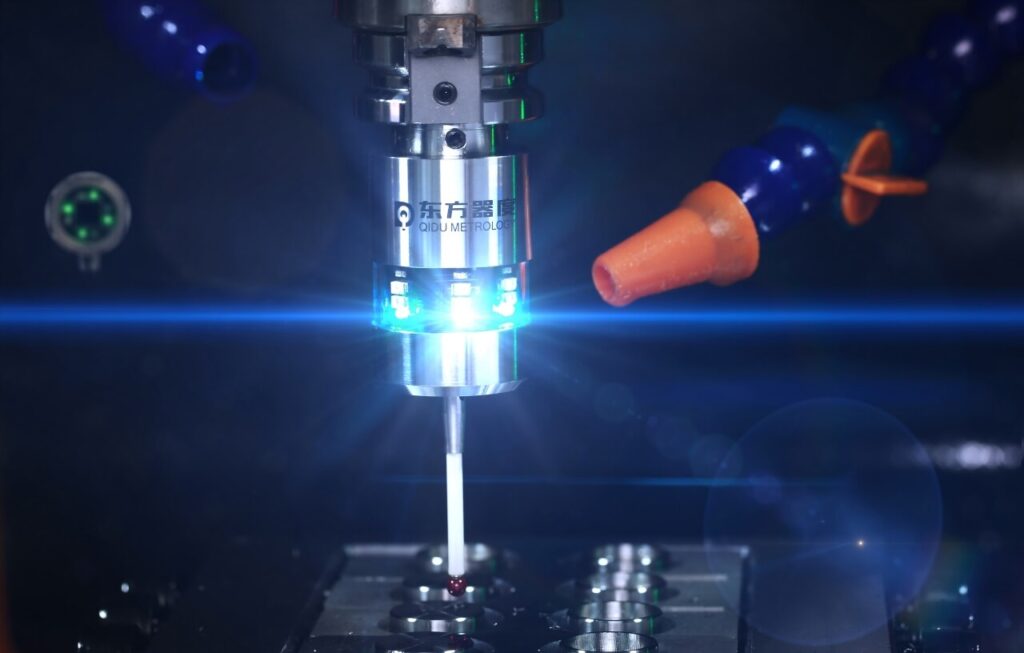
The Early Days of CNC Measurement in the 1970s
Back in the 1970s, when CNC machines were first becoming widely adopted, most workpiece alignment and tool measurement tasks were still handled manually. Operators relied on dial indicators, edge finders, and repeated trial measurements to complete setups.
Although these traditional methods worked, they consumed valuable production time and often created inconsistencies caused by human error. In industries where tolerances were extremely tight—such as aerospace, mold manufacturing, and precision engineering—manual measurement quickly became a major obstacle to efficiency and quality control.
The growing demand for faster and more reliable machining created the need for a completely different approach.
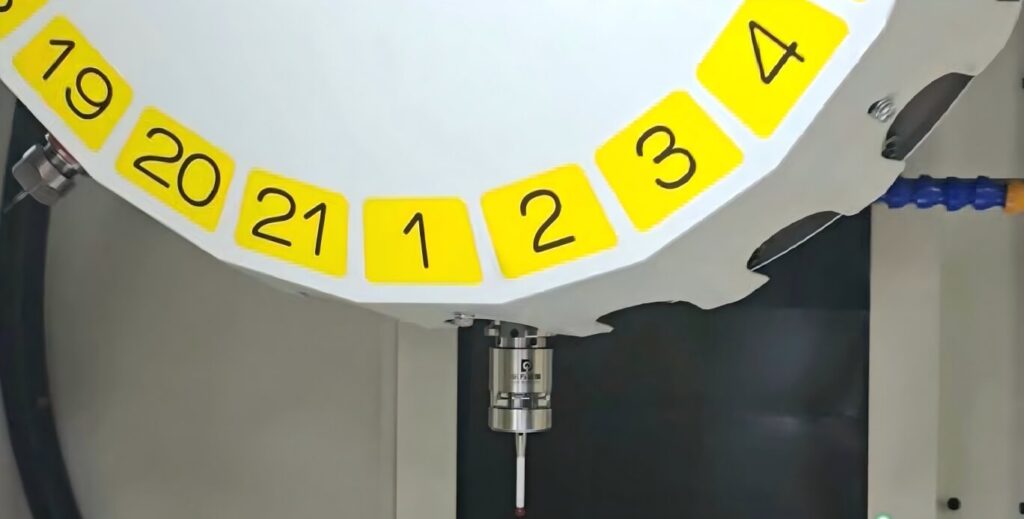
How Trigger Probes Changed CNC Machining
The introduction of trigger-style CNC probes marked a major turning point for the machining industry. Instead of relying entirely on operator experience, machine tools could now measure workpieces directly inside the machining environment.
This innovation dramatically improved setup speed while reducing errors caused by manual handling. It also opened the door for automated inspection and compensation during production.
As the technology matured, European manufacturers—especially companies like Renishaw—continued refining probe repeatability and reliability. Their products quickly became industry benchmarks for high-precision machining applications.
From Wired Probes to Wireless Measurement Systems
Between the 1980s and early 2000s, CNC probe technology advanced rapidly. The industry moved beyond simple standalone measurement and began integrating probes into complete machining systems.
At the same time, wireless transmission technology started replacing traditional wired connections. This solved several long-standing issues, including cable wear, installation limitations, and restricted movement on complex machines.
Wireless probes became especially valuable for 5-axis machining centers and large gantry machines where cable routing could be difficult or unreliable. The combination of improved flexibility and higher precision helped manufacturers move toward more automated production environments.
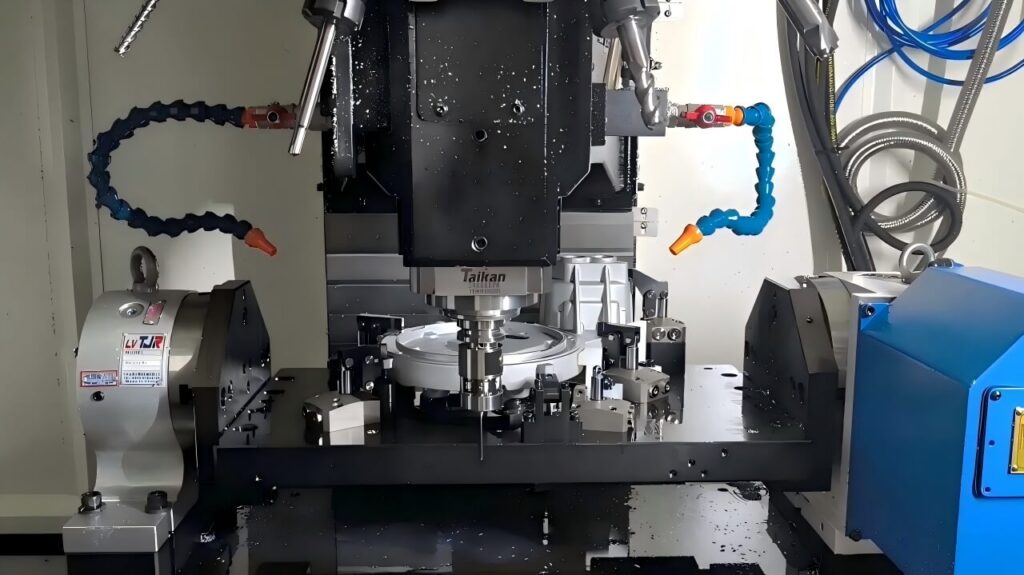
The Rise of Closed-Loop Machining Technology
As probe systems became more advanced, manufacturers started integrating workpiece probes and tool setters into unified automation systems. This gave rise to closed-loop machining.
In a closed-loop process, the machine can automatically handle pre-machining alignment, in-process inspection, and post-machining compensation without constant operator intervention. Measurement data is fed directly back into the machining process, allowing the machine to make real-time adjustments.
This approach significantly improves machining consistency while reducing scrap rates and downtime.
Why European Brands Dominated the CNC Probe Market
For many years, the high-end CNC probe market was largely controlled by European companies such as Renishaw, Blum, Marposs, and Heidenhain. These manufacturers built strong reputations through decades of technical development and extremely stable product performance.
As probe precision improved to micron-level repeatability, these brands established themselves as premium suppliers for aerospace, automotive, and advanced manufacturing industries.
However, this dominance also created challenges for many factories outside Europe.
The Challenges of Imported CNC Probe Systems
Although imported probe systems delivered excellent performance, they often came with significant drawbacks for manufacturers.
High equipment costs placed enormous pressure on small and medium-sized factories. Long lead times—sometimes stretching several months—could delay production schedules and equipment upgrades. In many cases, after-sales service and technical support were also slow to respond.
Another common issue involved system compatibility. Some imported systems used relatively closed architectures, making integration with domestic CNC machines more difficult and expensive.
Because of these limitations, more manufacturers began searching for practical alternatives that could offer both precision and flexibility.
Smart Manufacturing Drives a New Era of Probe Technology
After 2015, the rapid growth of smart manufacturing accelerated the development of CNC probe technology even further.
High-speed triggering systems and strain gauge technology pushed probe repeatability to extremely high levels, making advanced measurement solutions suitable for industries such as aerospace, medical manufacturing, and ultra-precision mold production.
At the same time, probes started becoming connected to MES systems and automated production lines. Instead of functioning as isolated measurement tools, probes evolved into important data collection devices within intelligent manufacturing systems.
This transition made measurement technology more valuable than ever before.
Why Manufacturers Started Seeking Domestic Alternatives
Despite the technological advantages offered by European brands, many manufacturers still faced practical business problems.
Imported systems remained expensive, delivery cycles were often too long, and customization options could be limited. For companies operating in fast-moving production environments, waiting several months for replacement parts or technical support was simply unrealistic.
As a result, manufacturers increasingly began looking for domestic suppliers capable of delivering stable performance, faster service, and better overall value.
This shift created opportunities for a new generation of Chinese CNC measurement companies.
Qidu Probing Entry Into the CNC Measurement Industry
Qidu Probing was established during this important transition period in the manufacturing industry.
Focused on CNC machine tool probes, tool setters, styli, and related measurement products, the company built its business around the idea of combining technology innovation with practical manufacturing needs.
By integrating research, production, sales, and after-sales support into one operation, Qidu developed a supply chain capable of responding more quickly to customer requirements.
Today, the company serves manufacturers across multiple industries both inside and outside China.
How Qidu Probing Breaks the European Technology Barrier
One of Qidu’s biggest strengths lies in its focus on compatibility and real-world machining conditions.
Unlike some closed-system designs commonly seen in imported products, Qidu’s probe systems are engineered to work smoothly with a wide range of CNC machines. Many models can directly replace mainstream brands without requiring major programming changes.
This helps manufacturers reduce upgrade costs while improving machine utilization.
At the same time, the company has invested heavily in product stability, anti-interference performance, and manufacturing consistency.
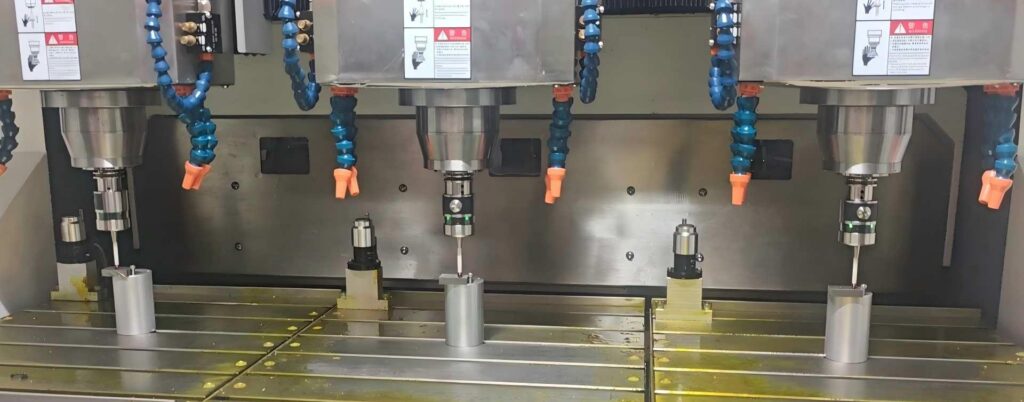
Qidu’s Advantages in Precision and Compatibility
Qidu’s manufacturing process includes advanced production equipment, cleanroom environments, and strict quality inspection procedures.
With support from its in-house R&D team, the company has developed products capable of delivering repeatability levels that meet the demands of industries such as aerospace, automotive manufacturing, 3C electronics, and precision mold production.
These achievements are helping change outdated assumptions that domestic measurement products cannot compete with imported systems in terms of precision or reliability.
Cost-Effective CNC Probe Solutions for Modern Factories
Compared with many imported brands, Qidu offers a much more cost-effective solution for manufacturers looking to improve automation and measurement accuracy.
Products with comparable precision are often available at a fraction of the cost of European systems. This allows factories to upgrade equipment and improve efficiency without dramatically increasing investment costs.
For many businesses, reducing procurement expenses while maintaining stable machining quality is a major competitive advantage.
Faster Delivery and Better After-Sales Support
Another key advantage is delivery speed and customer support.
Because Qidu controls its own production and supply chain, lead times are significantly shorter than many imported alternatives. Most products can be delivered within a much faster timeframe, helping customers avoid unnecessary production delays.
The company also provides dedicated technical support for installation, commissioning, and maintenance, allowing manufacturers to solve problems more quickly and keep machines running efficiently.
Industries Benefiting From Qidu’s CNC Measurement Solutions
Today, Qidu’s products are used across a wide range of industries, including aerospace, automotive manufacturing, consumer electronics, precision molds, and high-precision component machining.
As intelligent manufacturing continues expanding globally, the demand for reliable on-machine measurement systems is growing rapidly.
Factories are no longer looking only for measurement accuracy. They also want compatibility, flexibility, faster service, and long-term cost control.
The Future of Intelligent CNC Probe Technology
The future of CNC probe technology will move far beyond simple measurement functions.
As unmanned workshops and automated production lines become more common, probes will increasingly participate in machining decisions themselves. Future systems will automatically adjust tool offsets, detect machining deviations, and optimize production processes in real time.
Measurement systems are gradually becoming core sensing units within intelligent CNC machines.
Qidu Probing Vision for the Future of CNC Measurement
Qidu Probing continues investing in stable signal transmission, open system compatibility, and flexible customer service solutions.
The company believes the next stage of manufacturing competition will depend not only on machining precision, but also on how efficiently factories can integrate automation, data, and intelligent measurement into daily production.
By focusing on practical industry needs, Qidu aims to become a long-term technology partner for manufacturers worldwide.
Conclusion: A New Chapter for Domestic CNC Probe Technology
Over the past 50 years, CNC probe technology has evolved from basic manual measurement assistance into a critical part of intelligent manufacturing.
What was once a market dominated almost entirely by European suppliers is now entering a more competitive and diversified stage. Companies like Qidu Probing are proving that domestic CNC measurement products can offer not only strong alternatives to imported systems, but also real innovation in precision, compatibility, service, and cost efficiency.
With continuous investment in R&D, manufacturing quality, and customer support, Qidu Probing is helping manufacturers around the world improve machining accuracy, reduce costs, and move toward smarter production systems for the future.
