
Índice
En el competitivo mundo de la fabricación, mantener una precisión y calidad constantes es primordial para el éxito. Para nuestro cliente, la consecución de este objetivo se convirtió en un reto especialmente difícil cuando se trataba de piezas curvas complejas con palpador digital. Los intrincados contornos de estas piezas exigían un alto grado de precisión, dejando poco margen para el error. Para hacer frente a este reto, el cliente recurrió a la innovadora tecnología de las sondas de contacto digitalizadoras, transformando su proceso de mecanizado y garantizando la producción de piezas de alta calidad constante.
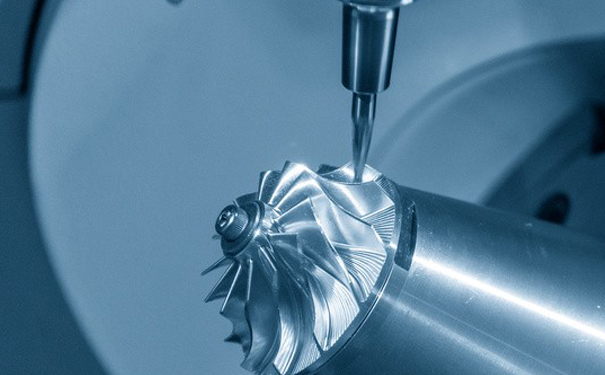
El reto: garantizar la precisión en el mecanizado complejo
El principal reto del cliente consistía en mecanizar con precisión piezas curvas complejas. Estas piezas, a menudo con contornos intrincados y tolerancias estrechas, planteaban un riesgo significativo de desviación del modelo ideal, lo que podía dar lugar a piezas desechadas y a costosas repeticiones. Los métodos de mecanizado tradicionales, aunque eficaces para geometrías más sencillas, se quedaban cortos a la hora de satisfacer las exigencias de estos intrincados componentes.
La solución: Aprovechar la potencia de las sondas táctiles digitalizadas
En busca de una solución a sus problemas de precisión, el cliente exploró las posibilidades de la digitalización. sondas de contacto. Estas sofisticadas herramientas, perfectamente integradas en sus centros de mecanizado CNC, ofrecían la promesa de precisión y corrección de errores en tiempo real durante todo el proceso de mecanizado.
Implementación de la Digitalización de la Sonda Táctil: Guía paso a paso
Para aprovechar plenamente el potencial de la digitalización de los palpadores, el cliente aplicó meticulosamente los siguientes pasos:
- Selección e instalación de la sonda:Se seleccionó el palpador digitalizador adecuado en función de los requisitos específicos del proceso de mecanizado y las dimensiones de la pieza. A continuación, la sonda se instaló cuidadosamente en la máquina CNC, garantizando una alineación y calibración adecuadas.
- Integración de procesos:La funcionalidad de la sonda se integró en el programa CNC, lo que permitió una comunicación perfecta entre la sonda y el controlador de la máquina. Esta integración permitió la adquisición de datos en tiempo real y la corrección automática de errores.
- Optimización del flujo de trabajo:El flujo de trabajo de mecanizado se optimizó para incorporar las capacidades de la sonda. Para ello, se establecieron procedimientos claros para la utilización de la sonda, incluidos los ciclos de recopilación de datos, análisis y corrección de errores.
- Formación y apoyo:Se impartió una formación exhaustiva a los operarios de las máquinas, garantizando que estuvieran totalmente equipados para manejar la sonda con eficacia e interpretar los datos que generaba. También se ofreció asistencia técnica continua para resolver cualquier problema o duda que surgiera durante la aplicación.
El resultado: Mecanizado de precisión elevado
La implantación de palpadores digitalizadores transformó el proceso de mecanizado del cliente, aportando una serie de beneficios tangibles:
- Precisión mejorada:Las sondas permitieron obtener dimensiones precisas de forma constante, incluso en piezas curvas complejas. Esto se tradujo en una reducción significativa de las piezas desechadas y los reprocesamientos, con el consiguiente ahorro de tiempo y dinero para el cliente.
- Mejora del control de calidad:Las funciones de adquisición de datos en tiempo real y corrección de errores garantizaban que todas las piezas producidas cumplían las normas de calidad más estrictas. Este control de calidad mejorado infundió confianza en los productos del cliente y reforzó su reputación en el mercado.
- Flujo de trabajo optimizado:La integración de las sondas en el flujo de trabajo de mecanizado agilizó las operaciones, reduciendo los tiempos de inactividad y mejorando la eficacia general. Esto permitió al cliente cumplir los objetivos de producción con mayor eficacia y responder a las demandas de los clientes con mayor agilidad.
Conclusiones: Un testamento a la innovación tecnológica
La experiencia del cliente sirve como testimonio del poder transformador de la digitalización de las sondas de contacto en el mecanizado de precisión. Al adoptar esta innovadora tecnología, pudieron superar los retos del mecanizado de piezas curvas complejas, alcanzando nuevos niveles de precisión, calidad y eficiencia. A medida que crece la demanda de mecanizado de precisión, las sondas de contacto digitalizadas están preparadas para desempeñar un papel cada vez más crucial en la configuración del futuro de la fabricación, permitiendo a las empresas producir piezas de alta calidad de forma coherente y rentable.
Para cualquier consulta, póngase en contacto con Metrología Qidu para obtener más información profesional.
